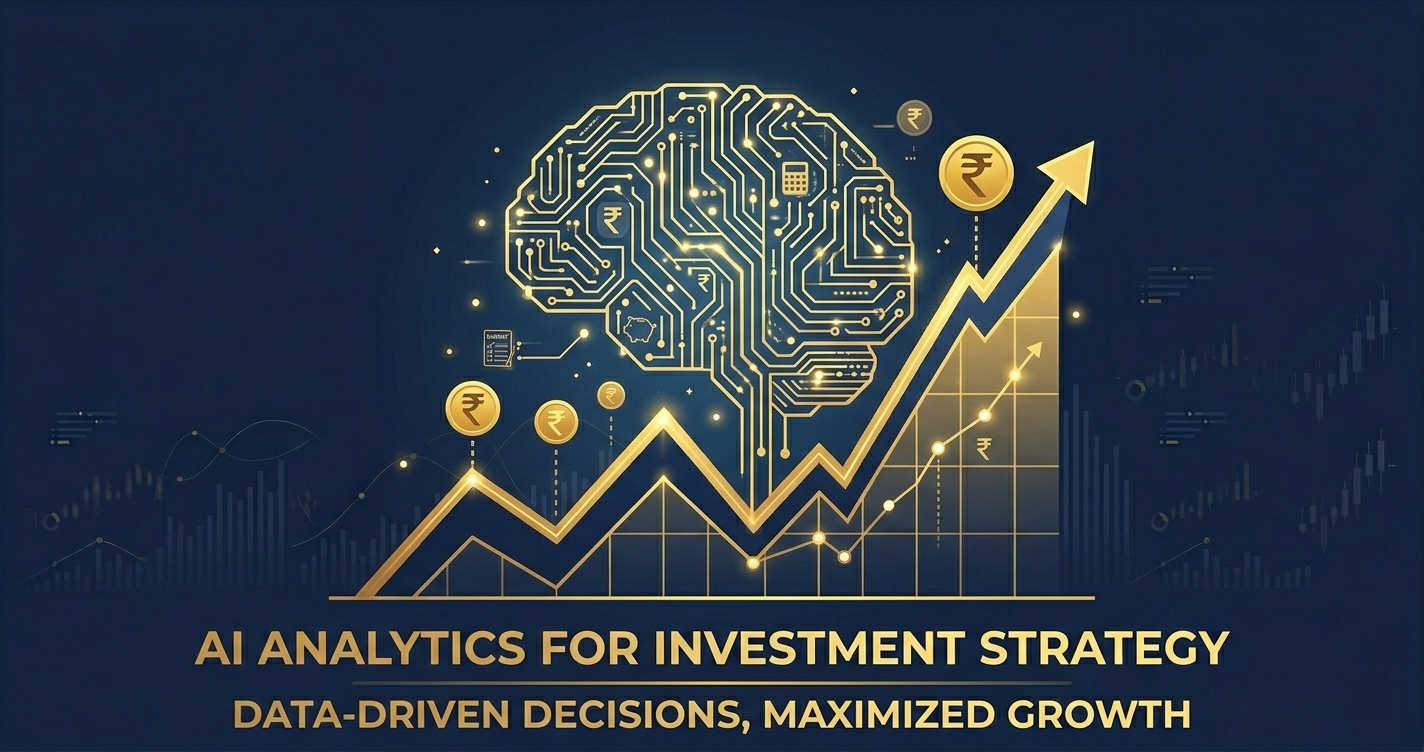
The investment landscape is evolving at a dizzying pace, and artificial intelligence (AI) stands at the center of this transformation. From robo-advisors that automate portfolio management to sophisticated models that analyze market signals in real time, AI is making investing more accessible, data-driven, and efficient. In 2026, the most successful investors aren’t just relying on guts and traditional analytics—they’re leveraging AI to enhance decision-making, manage risk, and uncover opportunities that might have been invisible a few years ago.
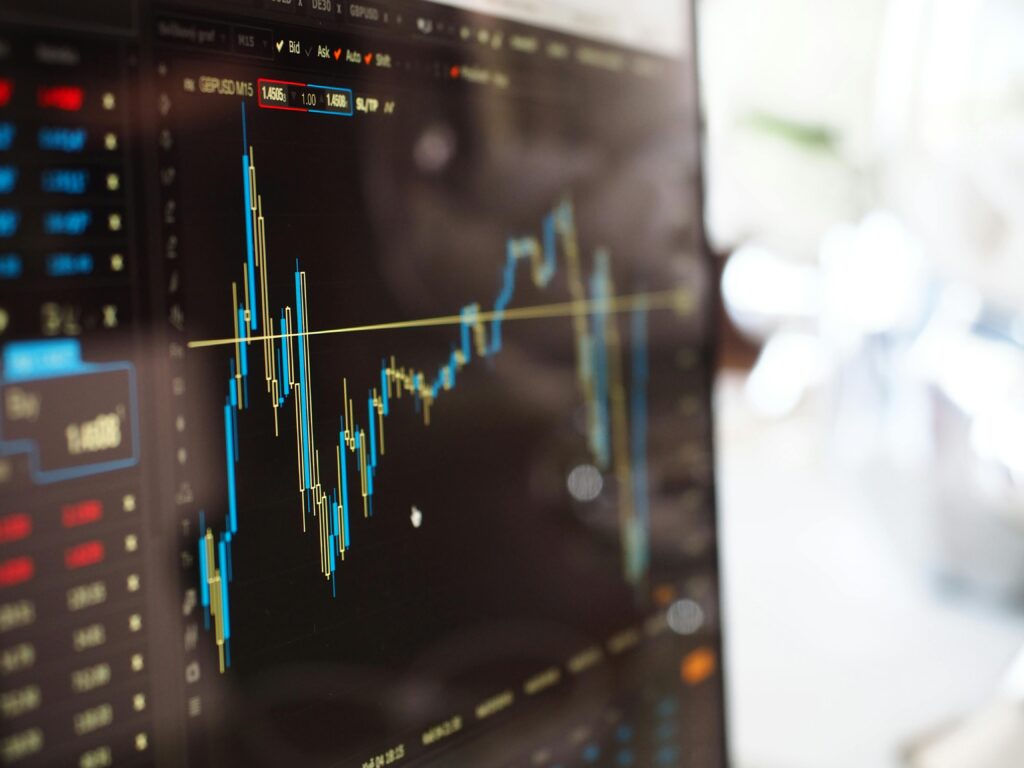
What’s driving the AI in investing trend?
- Data deluge: Financial markets generate vast amounts of data daily. AI thrives on big data, extracting patterns and insights that humans might miss.
- Speed and automation: High-frequency decision-making and automated rebalancing enable more responsive portfolios.
- Personalization: AI enables more customized financial plans that fit individual risk tolerance, goals, and time horizons.
- Risk management: Advanced models simulate scenarios and stress-test portfolios under a wide range of conditions.
Key AI-powered investment trends for 2026
- Personal robo-advisors with adaptive risk profiles
- Robo-advisors are moving beyond one-size-fits-all portfolios. They continuously learn from a user’s behavior, goals, and market conditions to adjust allocations in real time.
- Benefit: Lower cost, scalable access to sophisticated asset management, and consistent discipline during volatile markets.
- Alternative data and sentiment analysis
- AI systems analyze non-traditional data sources (brand sentiment, supply chain signals, macro news sentiment) to gauge potential market moves.
- Benefit: Earlier signals that may precede earnings surprises or sector shifts.
- Explainable AI (XAI) for investing
- Transparency becomes essential. XAI aims to provide understandable rationales for investment recommendations, helping investors trust and validate AI-driven advice.
- Benefit: Better investor education and safer adoption of AI tools.
- AI-driven risk controls and stress testing
- Scenario analysis, Monte Carlo simulations, and tail-risk assessment are more accessible through AI, enabling robust risk management even for individual investors.
- Benefit: More resilient portfolios that can weather drawdowns.
- Portfolio optimization with reinforcement learning
- Advanced optimization techniques learn optimal trading and rebalancing actions over time, adapting to changing market regimes.
- Benefit: Potential improvements in risk-adjusted returns, with caveats about model risk and overfitting.
- Financial literacy and coach bots
- AI chatbots help investors understand complex concepts, interpret statements, and stay on track with long-term goals.
- Benefit: Better decision-making and reduced information overload.
Practical guidance: how to responsibly use AI in your investing routine
- Start with clear goals: Define your risk tolerance, time horizon, and return targets. AI tools work best when they have well-specified objectives.
- Choose reputable tools: Look for providers with fiduciary responsibility, transparent methodologies, and robust security measures.
- Prioritize explainability: Favor tools that offer clear, understandable reasoning for recommendations, especially if you’re a novice.
- Diversify sources: Don’t rely on a single AI signal. Combine AI insights with fundamental analysis, diversification principles, and your own judgment.
- Manage model risk: Remember that AI models are predictions, not guarantees. Regularly review performance, backtest responsibly, and watch for overfitting.
-Control costs: Some AI-powered services come with subscription fees. Ensure the expected value justifies the cost, especially for smaller portfolios.
-Safeguard data and privacy: Use tools with strong data protection practices and avoid sharing sensitive information unless necessary.
Potential risks and caveats
- Overreliance on historical data: AI models often learn from past patterns, which may not repeat in the future.
- Market regime shifts: AI may underperform during rare events or structural changes.
- Model bias and data quality: Garbage in, garbage out. Ensure data sources are reliable and diverse.
- Regulatory considerations: As AI in finance evolves, stay aware of evolving disclosures and compliance requirements.
Case study (illustrative)
A self-directed investor uses an AI-powered robo-advisor for core equity exposure while keeping a manually managed ETF sleeve for diversification. The AI adviser adjusts the tilt toward growth vs. value based on sentiment signals and macro indicators. Over a 12-month period, the investor achieves a smoother drawdown during a tech sector correction, while still capturing core upside. The lesson: AI-assisted automation complemented by human oversight can improve consistency, not replace it.

Actionable steps to get started today
- Audit your current portfolio and investment plan. Identify areas where AI could help (rebalancing frequency, risk monitoring, or education).
- Try a reputable AI-powered tool with a free trial or a low-cost tier to test its signals on a small portion of your portfolio.
- Set up alerts and risk controls: maximum drawdown alerts, stop-loss rules, or volatility-based position sizing.
- Schedule a quarterly review: assess AI performance, adjust settings, and align with changing life goals.
Conclusion
AI is not a magic wand, but a powerful enhancer for personal investing. By embracing AI thoughtfully, investors can improve decision-making, automate routine tasks, and access insights that were previously out of reach. The focus should be on balancing the efficiency and scalability of AI with human judgment, risk management, and a clear, long-term plan.


Leave a Reply